New Book Excerpts #2: Alder Moth
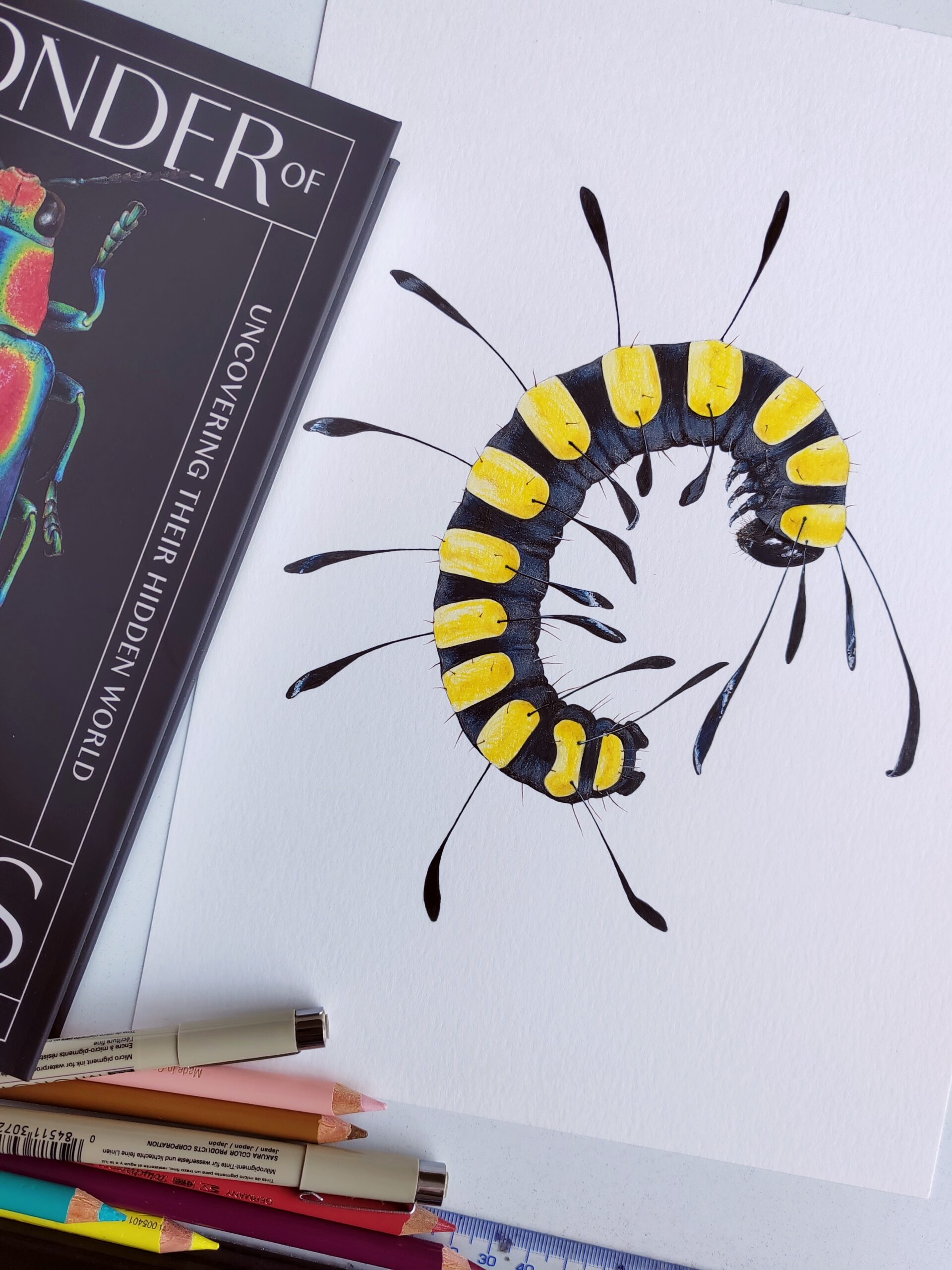
Today’s excerpt from my NEW BOOK is the Alder Moth, specifically the caterpillars of this species. This is one of my favourite illustrations by Carim Nahaboo.
The odds of any one caterpillar reaching adulthood and fluttering off as a moth or butterfly are vanishingly small. If the parasitoid wasps or flies don’t get you, the birds will. To our feathered friends, caterpillars are the cocktail sausages of the insect world. A blue-tit chick needs as many as 100 caterpillars poked into its waiting maw every day. A single nest may contain 16 chicks! The beleaguered parents of these chicks probably hold their heads in their wings, lamenting their life choices and wondering why they got into a relationship in the first place.
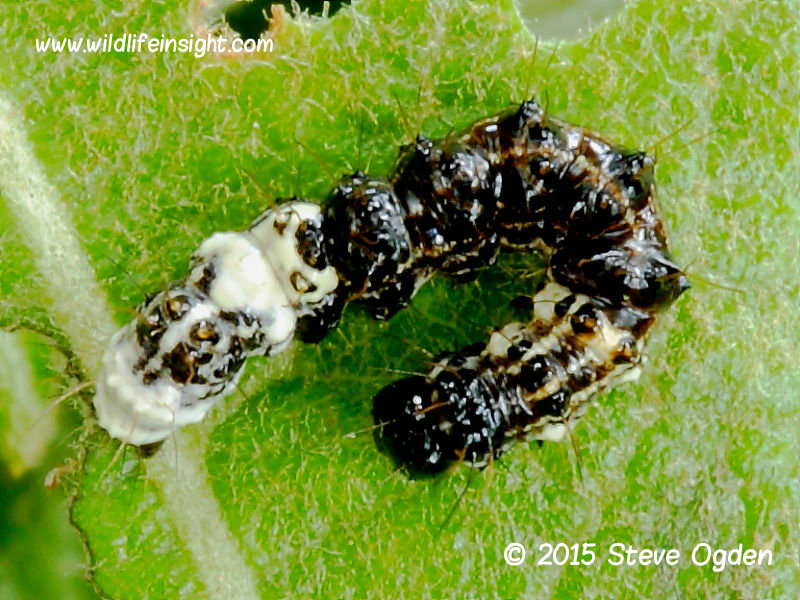
In response to this unrelenting predation pressure, caterpillars have evolved plenty of tricks to get them through to adulthood. Disguise or advertise, that is the question. Many butterfly and moth caterpillars opt for the former – pretending to be an inanimate object, such as a leaf, twig or bird poo. As well as looking like a turd, some species even smell like one too. In stark contrast, lots of species stick out like a sore thumb – broadcasting their toxicity or the fact they taste disgusting to potential predators with bright colours and patterns. There are also plenty of non-toxic or perfectly nice-tasting species that mimic species that are chemically protected
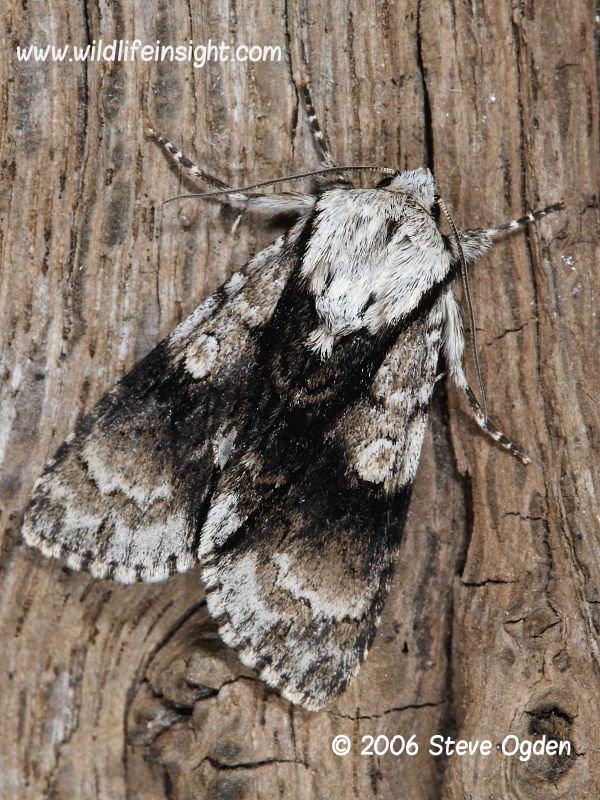
The Alder Moth (Acronicta alni) is interesting because it uses both of these strategies at different times in its life. This species is found across a large swathe of Europe and Asia, where the caterpillars feed greedily on the foliage of several tree species, especially Alder and Birch. For much of its life, the caterpillar does a pretty good impression of bird poo, but during the transition into the last stage of its caterpillar it opts for a completely different outfit. Gone is the bird poo disguise, in its place a classic warning signal of bold black and yellow stripes…”
Leave a Reply